Emergency Dentist Bakersfield CA: Restorative Care After a Fall or Collision
A fall in a parking lot, a bike crash, a sports collision, a car accident at a stoplight, these are the moments when dental injuries go from minor inconvenience to urgent medical problem. Teeth break fast. Lips swell within minutes. A jaw that seemed "just sore" can stiffen by the hour. When that happens, timing matters, and so does the kind of treatment you receive afterward.
People often think emergency dentistry starts and ends with pain relief. In real practice, especially after trauma, the first goal is stability. The second is preservation. The third is restoration that protects the tooth, the bite, and the surrounding bone for the long term. An experienced Emergency Dentist Bakersfield CA patients can reach quickly is not only looking for what hurts right now. They are also checking what might fail later if it goes unnoticed today.
Dental trauma has a way of hiding its full extent at first. A front tooth may show a visible chip while the neighboring tooth, which looks intact, has a root injury or a damaged nerve. A patient may focus on the cracked crown, but the real threat is a shifting bite caused by a minor jaw injury. This is why restorative care after a fall or collision is not simply cosmetic repair. It is a structured response to trauma.
Why traumatic dental injuries need a different kind of care
A cavity and a collision are not the same problem. Routine restorative dentistry is planned, measured, and often spread across several visits. Trauma care compresses decisions. The dentist has to assess soft tissue damage, tooth fractures, pulp vitality, root stability, bite changes, and possible bone involvement, often in a swollen, bleeding mouth where the patient is anxious and uncomfortable.
That changes the treatment sequence. Sometimes the best first visit is conservative, even if the tooth looks bad. Splinting a mobile tooth, protecting exposed dentin, stopping bleeding, and taking radiographs may come before the final cosmetic repair. In other cases, a tooth that appears salvageable is actually split beneath the gumline and needs extraction to prevent a prolonged cycle of pain and infection.
Age matters too. A teenager who fractures a front tooth in a skateboarding fall is not managed exactly like a 55 year https://milowrhs274.theglensecret.com/emergency-dentist-bakersfield-ca-your-local-resource-for-urgent-dental-care old who injures an old crown in a car collision. Younger teeth may have different pulp responses. Older teeth may have restorations, root canal history, or underlying wear that changes prognosis. Good emergency care is rarely one size fits all.
What happens in the first visit after a fall or collision
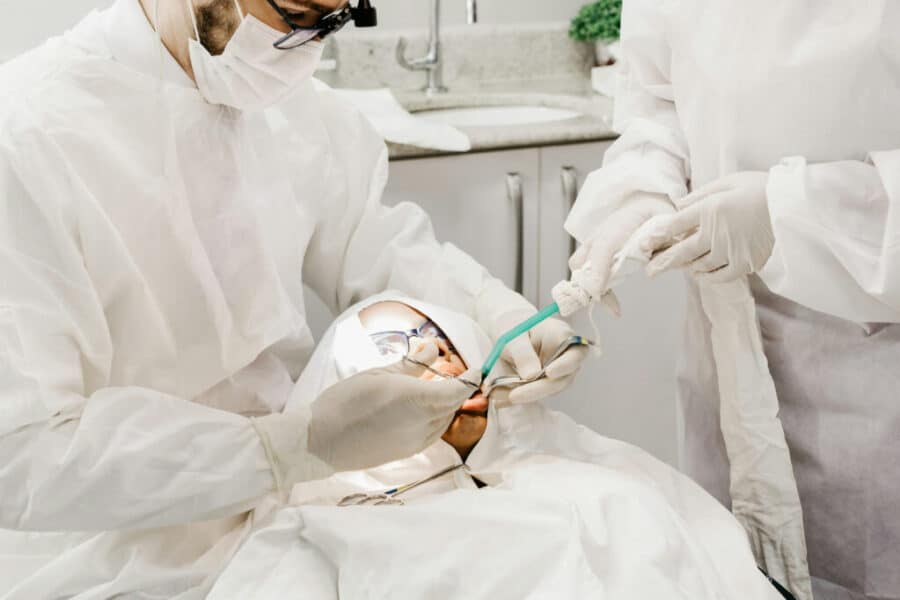
The first appointment is usually more layered than patients expect. If there is active bleeding, severe swelling, facial bruising, or signs of concussion or jaw fracture, the dentist may coordinate with urgent medical care first. Once the patient is stable, the dental exam focuses on the mechanics of the injury.
The dentist will usually ask how the incident happened, what struck the mouth, whether the tooth was already restored, and whether the bite feels different. Those details matter. A direct impact from a dashboard can produce a different pattern than landing chin first off a bicycle. A loose tooth after a face-first fall often suggests luxation, which means the tooth has been displaced or traumatized in its socket even if it has not fully come out.
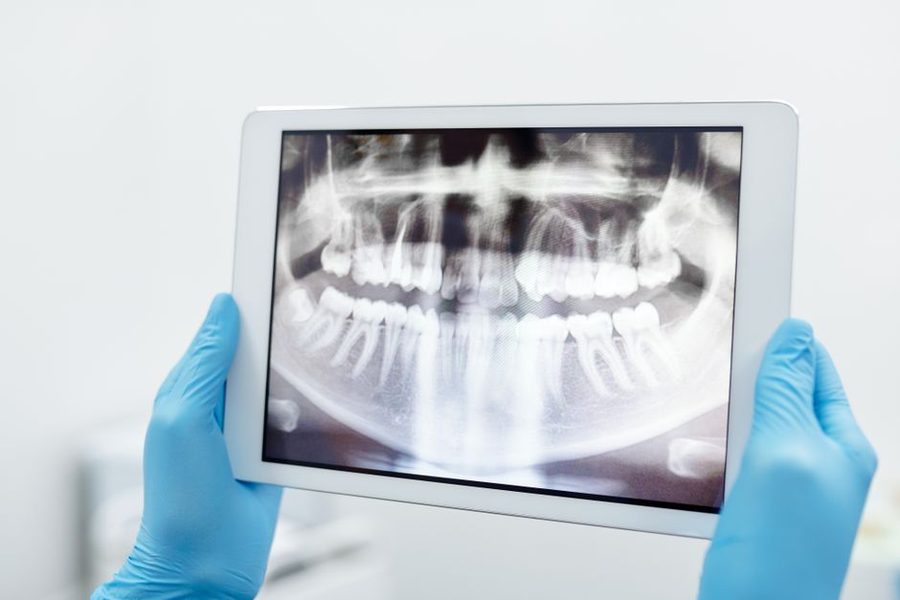
Radiographs help, but they are not magic in the first hour. Some fractures are obvious immediately. Others reveal themselves later as symptoms develop. That is one reason follow-up is such a significant part of restorative trauma care. The emergency visit may solve the immediate crisis, but the final diagnosis can evolve over days or weeks.
Soft tissue evaluation matters more than many people realize. A cut lip can trap small tooth fragments. Those fragments can remain embedded if the injury is severe. The gums can tear away from the tooth or bruise deeply enough to affect blood supply. If the patient says, "It is just my tooth," an experienced clinician still looks at the whole injury field.
The first steps that can save a tooth
What you do before you reach the office can affect the outcome. This is one of the few times a short checklist truly helps.
- If a tooth has been knocked out completely, pick it up by the crown, not the root.
- If it is dirty, rinse it briefly with milk or saline, or clean water if nothing else is available. Do not scrub it.
- If possible, place the tooth back in the socket gently. If that is not possible, store it in milk or inside the cheek if the patient is alert and old enough to do that safely.
- Apply light pressure with clean gauze to control bleeding.
- Seek care immediately from an emergency dentist or emergency medical provider if there are signs of head injury, severe facial trauma, or uncontrolled bleeding.
A knocked-out permanent tooth is one of the clearest dental emergencies because minutes can matter. By contrast, a baby tooth is handled differently and is generally not replanted. Parents are often surprised by that, but replanting a primary tooth can damage the developing permanent tooth underneath.
Fractured teeth, from small chips to deep breaks
Not every broken tooth is equally urgent, but every traumatic fracture deserves evaluation. A shallow chip in enamel may be smoothed or repaired with bonded composite. If the break reaches dentin, the yellowish layer beneath enamel, the tooth can become very sensitive to air, cold, and touch. If the pulp is exposed, patients often describe a sharp, electric pain or see a small pink or red spot in the center of the fracture.
Restorative treatment depends on fracture depth, location, and whether the fragment is available. In straightforward cases, tooth-colored bonding can rebuild the lost shape beautifully in one visit. For larger fractures on front teeth, the original fragment can sometimes be reattached, which can provide a surprisingly natural result if the piece is intact and well preserved. It is not always the strongest long-term option, but in select cases it works well and buys time.
Back teeth are different. A molar cracked in a collision may need a strong protective restoration because biting forces are much higher. If enough tooth remains, a bonded onlay or crown may restore function. If the fracture extends into the pulp, root canal treatment may be needed before the final restoration. If the crack runs too deep below the gumline or into the root, saving the tooth becomes much less predictable.
This is where judgment matters. Patients understandably want certainty right away, but trauma cases often require staged decisions. A dentist may place a temporary restoration, reduce bite pressure on the tooth, and reassess symptoms before recommending the final treatment plan.
Loose teeth and displaced teeth
A tooth does not have to fall out to be seriously injured. Teeth can become mobile, pushed backward, pushed inward, or partially extruded after impact. These injuries can be easy to miss when there is swelling and blood in the area, but they carry real long-term risks.
If a tooth is loose but still in its normal position, the dentist may stabilize it with a flexible splint attached to neighboring teeth. That splint is not there for comfort alone. It helps support healing in the periodontal ligament, the tissue that suspends the tooth in the socket. If a tooth has been displaced, it may need careful repositioning before splinting.
Patients often ask if a loose tooth will "tighten back up." Sometimes it will. Sometimes it will not. The answer depends on the degree of movement, root development, the condition of surrounding bone, and whether the pulp survives. A tooth may initially stabilize and still develop nerve damage later. Follow-up vitality testing is part of responsible care.
When the nerve is injured
One of the more frustrating features of dental trauma is the delayed nerve response. A tooth can look normal after a crash and then darken, ache, or become sensitive weeks later. The impact may have interrupted blood flow to the pulp even though the crown remained intact.
When the pulp cannot recover, root canal therapy may become necessary. That often worries patients because they associate root canals with severe decay, but traumatic root canal treatment is a different scenario. The goal is to preserve a structurally useful tooth whose internal tissue did not survive the injury. In many cases, that allows the tooth to remain in function for years with a well-designed restoration.
Discoloration after trauma deserves attention. A gray or darkened tooth may indicate internal bleeding or pulpal necrosis. A pink hue can also appear in some injuries. Neither should be ignored. Color changes are not merely aesthetic after an accident. They can point to deeper damage.
Restorative options after emergency stabilization
Once the tooth and surrounding structures are stable, the conversation shifts toward restoration. This is where emergency care and long-term dentistry meet. The right restoration should not only make the tooth look whole again, it should respect how the injury changed the tooth's biomechanics.
Small to moderate anterior fractures often respond well to direct composite bonding. Modern materials can be layered to mimic natural translucency and contour, especially on front teeth. Bonding is conservative and efficient, which makes it attractive after trauma. The trade-off is durability. A patient who grinds heavily or has taken a hard blow may eventually need something more protective.
For larger defects, veneers or crowns may be discussed later, once the tooth's pulp status is clearer. Dentists are often cautious about preparing a traumatized front tooth immediately for a crown unless there is a strong reason to do so. Removing more tooth structure on day one is not always the best move.
Posterior teeth that suffered major fracture may need cuspal coverage, usually in the form of an onlay or crown. If the fracture line is favorable and the tooth remains restorable, these can provide long-term reinforcement. If trauma destroyed too much structure, extraction and replacement may be more honest than repeated patchwork repair.
Implants enter the conversation when a tooth cannot be saved or has already been lost. After an accident, however, implant timing is not always immediate. The condition of the bone and gums matters. In some cases, immediate implant placement works well. In others, the site needs time, grafting, or both before the best restorative result can be achieved.
Signs that same-day evaluation is especially important
Many patients wait because they hope the discomfort will settle down. Sometimes that is understandable, but certain findings justify prompt care.
- A permanent tooth has been knocked out, moved, or feels suddenly loose
- A tooth fracture causes sharp pain, bleeding from the center, or strong temperature sensitivity
- The bite feels off, the jaw will not close normally, or opening the mouth is difficult
- Swelling, facial asymmetry, or persistent bleeding develops after the impact
- A previously restored tooth or crown broke and left a sharp edge or exposed inner tooth structure
If any of these are present, delaying evaluation can reduce treatment options. Even a seemingly small fracture can dry out, collect bacteria, or progress under biting pressure.
The role of imaging and follow-up
Patients sometimes feel disappointed when they leave the first visit without a final fix. In trauma care, that is often appropriate. Imaging gives a snapshot, not a full movie. A tooth that tests normal right after injury may fail vitality testing later. A root fracture may become more evident once swelling decreases. A splinted tooth may need reassessment in one to two weeks, then again at later intervals.
This follow-up phase is where experience matters. It is easy to overtreat a traumatized tooth out of caution. It is also easy to undertreat it by assuming pain equals the only problem. Good care balances restraint with vigilance.
A practical example is the athlete who chips a front tooth and feels fine after bonding. If the impact was significant, the dentist may still recommend periodic review. The restoration may look perfect, but the pulp status is still part of the story. I have seen teeth stay quiet for months and then require endodontic treatment after delayed pulpal breakdown. I have also seen badly bruised teeth recover fully with no further intervention beyond protection and monitoring.
Children, teens, and sports injuries
Falls from scooters, playground equipment, stairs, and bikes are common causes of dental trauma in younger patients. So are elbows, baseballs, and accidental collisions in basketball or soccer. The restorative goals are similar to adult care, but the planning can be more complex because growth and tooth development are still in play.
A young permanent tooth may have an immature root, which changes how the pulp is managed. Preserving vitality can be particularly valuable in these cases. Even if a definitive restoration comes later, the emergency treatment may focus first on protecting the pulp and supporting continued root development.
Parents usually want immediate reassurance that the tooth will look normal again. Often that is possible, but the first promise any ethical dentist should make is a careful one. Trauma outcomes depend on the type of injury, how quickly treatment started, and how the tooth responds over time.
Mouthguards deserve mention here. Custom sports guards are not glamorous, but they prevent a remarkable amount of expensive and painful restorative work. Once a child or teen has had one true dental injury, families rarely need much convincing.
Car accidents and more complex facial trauma
Motor vehicle collisions create a different category of dental emergency. Seatbelts and airbags save lives, but teeth can still strike hard surfaces or be damaged by jaw impact during sudden deceleration. In these cases, the dental injury may be one part of a broader trauma picture.
A patient may present with multiple fractured teeth, lip lacerations, bruised gums, and tenderness around the temporomandibular joints. Sometimes the front teeth fracture, but the more lasting issue is a jaw that no longer tracks comfortably. This is why a post-collision evaluation is about more than patching visible breaks. Bite changes, joint symptoms, and soft tissue healing all influence restorative planning.
If there is any suspicion of facial bone fracture, loss of consciousness, severe headache, dizziness, or neck injury, emergency medical evaluation comes first. An Emergency Dentist Bakersfield CA residents call after a collision should be part of the care team, not a substitute for broader trauma assessment when red flags are present.
Managing pain without making the situation worse
Pain after dental trauma can be intense, but self-treatment sometimes complicates the injury. Biting down repeatedly to "test" the tooth, using very hot compresses, or postponing care while hoping antibiotics alone will solve the problem are common mistakes.
Cold compresses on the outside of the face can help reduce swelling in the early phase. Soft foods and avoiding pressure on the injured area are sensible. Over the counter pain medicine may help, assuming the patient can take it safely and has no medical contraindications. What should be avoided is using the tooth normally just because the pain fades. A cracked or displaced tooth often worsens under load.
Sometimes pain is not proportional to damage. A tooth can be badly injured and only mildly uncomfortable at first. Conversely, an exposed dentin fracture can be exquisitely sensitive even when the long-term prognosis is good. That mismatch is one reason self-diagnosis is unreliable after trauma.
What patients in Bakersfield should look for in an emergency dental visit
Urgent dental care is not simply about finding the first open chair. After a fall or collision, patients benefit from an office that can assess trauma comprehensively and think beyond the temporary patch. When searching for an Emergency Dentist Bakersfield CA families trust, it helps to look for practical signs of trauma readiness: same-day access when possible, appropriate imaging, experience with splinting and restorative repair, and a clear follow-up plan.
Communication is part of quality care. Patients should leave understanding what was done, what remains uncertain, what warning signs to watch for, and when reevaluation is due. A fractured incisor repaired with bonding may need observation. A splinted tooth should come with instructions on eating, hygiene, and timelines. A crown broken in a collision may be temporarily stabilized while the pulp is watched. Good emergency care explains the logic, not just the procedure.
Cost and urgency also intersect. Trauma treatment is sometimes staged specifically to protect options and spread out more definitive work. That is not corner cutting. It is often sound clinical judgment. The right question is not, "Can everything be finished today?" It is, "What does this tooth need today to give it the best chance tomorrow?"
The long view after the accident
Restorative dentistry after trauma is rarely just repair. It is recovery. The best outcomes come from preserving structure when possible, acting decisively when necessary, and respecting the fact that injured teeth do not always declare their fate on day one.
If you or a family member has had a fall, sports impact, or collision involving the mouth, seek evaluation promptly, even when the damage seems small. A chipped edge may be simple. A loose tooth may not be. A darkening front tooth several weeks later is not a cosmetic nuisance, it is a sign that the injury story is still unfolding.
The right emergency response can save a tooth, preserve bone, protect your bite, and spare you from much larger treatment later. That is the real value of timely care after trauma, not just getting out of pain, but giving the mouth its best chance to heal well and function normally again.
Smyle Dental Bakersfield
2016 E St, Bakersfield, CA 93301, United States
+16614939040
FAQ About Emergency Dentist Bakersfield CA
What counts as a dental emergency?
Severe tooth pain, facial swelling, uncontrolled bleeding, a knocked-out or displaced tooth, and significant dental trauma may need prompt assessment. Trouble breathing or rapidly increasing swelling requires urgent medical help.
What should I do if a permanent tooth is knocked out?
Handle the tooth by the crown rather than the root, keep it moist, and contact a dentist immediately. Fast treatment can improve the chance of saving the tooth.
Can an emergency dentist treat severe tooth pain the same day?
Same-day care may be available depending on the cause and schedule. The dentist will examine the area, may take digital X-rays, and recommend treatment based on the diagnosis.
Should I go to the emergency room for dental swelling?
Seek urgent medical care for trouble breathing, difficulty swallowing, rapidly spreading facial swelling, or other severe symptoms. A dentist can assess the underlying dental cause and provide appropriate follow-up care.